STANFORD × UNIVERSIDAD MODELO — COIL / PIC-AMERICAS
Design Research Theory & Methodology
Innovation doesn't happen in a vacuum — it happens in ecosystems. This seminar puts two of them in the same room: Palo Alto and the Yucatán, one shared line of questioning, ten weeks, and a real challenge to frame with a partner on the other side of the hemisphere.
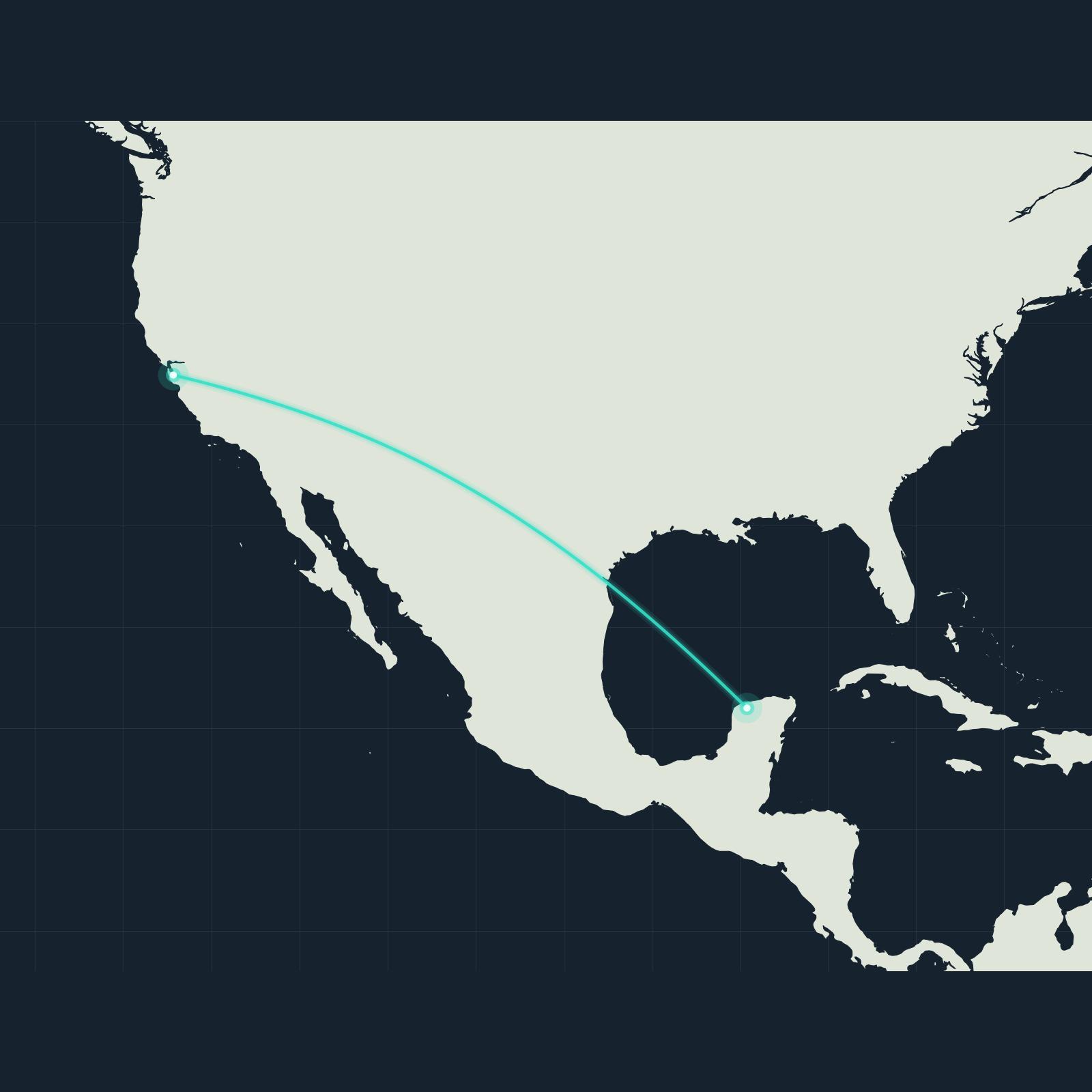
"This participatory graduate seminar examines how STEM talent, networks, resources, institutions, and social norms influence innovation ecosystems, with a focus on Latin America. Students analyze ecosystem dynamics and challenges related to infrastructure, education, climate, sustainability, and other regionally relevant issues. Working in international pairs with peers from a partner institution in Mexico, students will develop skills in contextual inquiry, ecosystem mapping, design inquiry, and reflective practice, and produce a joint ecosystem analysis and problem framing for a challenge of mutual interest."
Built for engineering and design students who want their work to matter beyond the screen or the lab. You'll practice the methods researchers and innovators actually use to understand a region before trying to change it — and you'll do it with a partner who lives in the context you're studying.
Autumn 2026 is the first time this seminar is taught. The inaugural cohort of twenty students will set the tone for everything that follows.
Identity and assumptions
Articulate your own identity and how it shapes your design assumptions, and compare what innovation and design mean in two very different regional contexts.
Ecosystem and context
Map your own network, resources and institutions, then identify a context-specific challenge in your partner's region and argue why it matters locally.
Collaboration that travels
Work productively across language, time zone and discipline, and communicate intent clearly to a peer working in a different context.
- Weeks 1–2Trust building
Know your partner
Onboarding, identity and intent. Each partner interviews the other — where you're from, what you study, what design and innovation mean to you — and builds a personal means map.
- Weeks 3–5Two contexts, one question
Map the ecosystems
Read Silicon Valley and Latin American perspectives side by side. Map the five-stakeholder ecosystem — entrepreneurs, universities, risk capital, government, corporate — in each region and compare where similar problems meet different opportunities.
- Weeks 6–9Team collaboration
Frame a shared challenge
In cross-institutional pairs, pick a challenge of mutual interest. Frame the problem, map stakeholders and resistance to change, and build a value proposition and intent document for what should change — and why.
- Week 10Individual reflection
See what changed
A journey map of your own thinking: previous assumptions against new insights, pending questions, and the first committed next step.
EXTRA · OCT 29 — Cross-ecosystem connection event: guest speakers and informal discussion with stakeholders and ecosystem actors from both regions. No class Nov 24–28 (Thanksgiving).
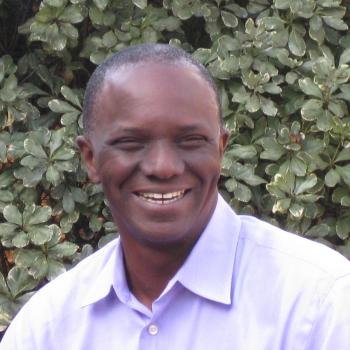

Jesica Gonzalez Robles
Contextual inquiry and ecosystem mapping
jesgonz@stanford.edu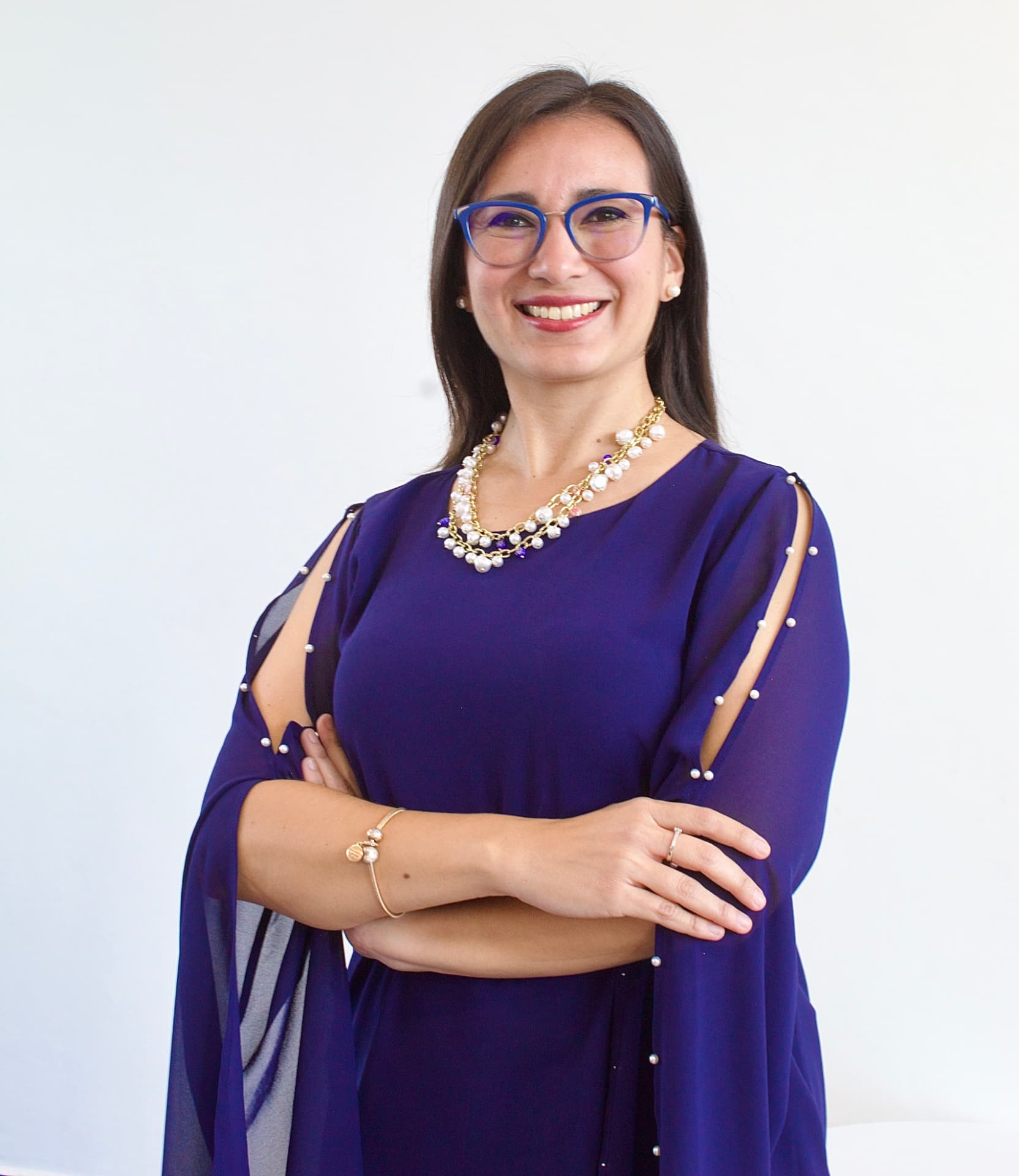
Lízbeth M. Zumárraga Ávila
Innovation and design education
innovacion@modelo.edu.mxTwo classrooms, one inquiry. Built through COIL — Collaborative Online International Learning — and the PIC-Americas program.
The Program for the Internationalization of the Curriculum for the Americas supports higher education institutions across the hemisphere in building human capital, using COIL to prepare current and future generations to tackle complex political, economic, environmental and social challenges. This seminar is a living instance of it.
10 seats reserved for Stanford students.
First class is Tuesday, September 22nd, 4:30 PM – 6:20 PM (California), Building 550, Room 126. Open to Stanford graduate students across engineering and design.
Register now on the Navigate Enrollment portalQuestions? Please reach out to Jesica Gonzalez at jesgonz@stanford.edu.